Same day rubbish collection Docklands tips for urgent clearances
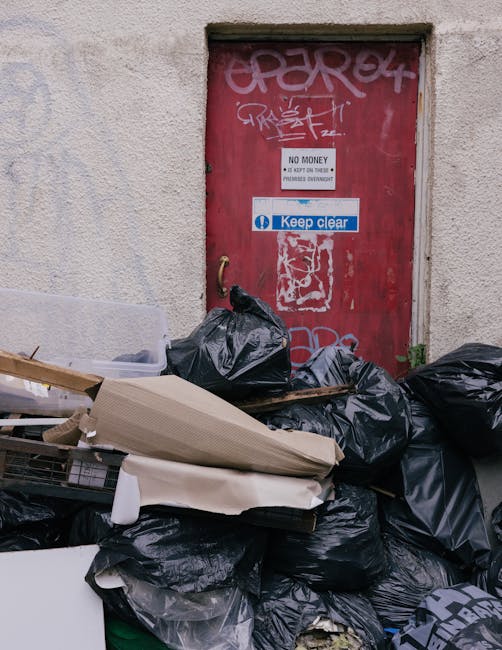
If you need rubbish gone today, the pressure can feel oddly personal. Boxes are stacked in the hallway, a broken wardrobe is leaning at a bad angle, and the flat suddenly looks smaller than it did an hour ago. This guide on Same day rubbish collection Docklands tips for urgent clearances is here to help you move fast without making a rushed mistake. You'll learn how same-day clearance usually works, what to prepare, where the real risks are, and how to make the booking process smoother from the first phone call to the last swept-up corner.
Docklands properties often have the usual London complications: limited access, lift restrictions, tight loading bays, and neighbours who would rather not hear a lot of banging at 8am. So urgency is one thing, but organisation is what really saves time. Let's get into it.
Why Same day rubbish collection Docklands tips for urgent clearances Matters
Urgent clearances are rarely about one single item. More often, you've got a chain reaction: a move-out deadline, a landlord inspection, a delivery arriving, an office refresh, or builders who need space to keep working. In Docklands, that urgency can be amplified by apartment living and building rules. If rubbish is left in a communal area, it can become a nuisance quickly, and nobody wants that awkward knock on the door.
Same-day rubbish collection is valuable because it restores control. That sounds simple, but when a room is full of unwanted items, being able to clear it within hours can make a real difference to stress levels. It can also prevent delays in a sale, move, tenancy handover, or commercial fit-out. Truth be told, the speed matters, but the planning matters more.
There's also a practical side people forget: the longer waste sits around, the more it can block routes, attract dust, and make a space unsafe. A collapsed box pile in a hallway is annoying; a fridge left in the wrong place is worse. And in a busy Docklands building, access problems can turn a small job into a drawn-out one very quickly.
Expert takeaway: same-day clearance works best when urgency is matched with precise preparation. The fastest jobs are usually the ones where the customer has already sorted what stays, what goes, and where the waste is located.
How Same day rubbish collection Docklands tips for urgent clearances Works
In most cases, same-day rubbish collection follows a simple pattern. You make an enquiry, describe what needs removing, share access details, and confirm a collection window. If the team has availability and the load is manageable, the job can often be arranged for later that day. It sounds straightforward, and sometimes it is. Other times, the details decide everything.
For urgent clearances, the provider usually wants to know three things as early as possible:
- What items are being removed - general rubbish, bulky furniture, appliances, mixed waste, office waste, builders' debris, or something more specific.
- How much there is - one item, a few bags, a half-load, or a full clear-out.
- How accessible the property is - lift access, stairs, loading bay rules, parking restrictions, and whether someone needs to meet the team on arrival.
If you've ever tried to get a sofa out of a narrow Docklands corridor, you already know why this matters. The difference between a smooth collection and a frustrating one is often ten minutes of honest information at the start.
It also helps to think in terms of "remove now, sort later" versus "sort now, remove once." For urgent clearances, the second option is usually better if you can manage it. Group items by category, keep recycling separate where sensible, and isolate anything fragile or restricted. That saves time on site and keeps the load clearer.
Many people also choose to pair same-day rubbish collection with a broader service, such as flat clearance, home clearance, or office clearance when the job is bigger than a simple bin run. If the room is already half-packed, a full clearance approach can sometimes be the more efficient option. Funny how that works - the "quick tidy" often turns out to be the real task.
Key Benefits and Practical Advantages
The biggest benefit is obvious: speed. But speed on its own is not the full story. A good same-day service should also reduce disruption, keep access clear, and help you avoid a messy last-minute scramble. That's especially helpful in Docklands, where time windows can be tight and shared spaces matter.
Here are the main advantages people usually notice first:
- Less stress - you stop staring at the pile and wondering how it will all get done.
- Faster property turnover - useful for moving, renting, selling, or handing over a space.
- Safer rooms and walkways - less trip risk, less clutter, fewer obstacles.
- Better compliance with building rules - a tidy collection is easier to manage in flats and managed developments.
- More efficient use of time - especially if you're juggling work, family, or tradespeople.
There's also a subtle benefit that doesn't get mentioned enough: momentum. Once waste starts leaving the property, people often make decisions faster. Old furniture suddenly looks easier to let go of. Half-used storage items get sorted. A stubborn garage or spare room turns into an ordinary task again.
If you need to dispose of items like old seating or a heavy bed base, it can be worth looking at dedicated options such as mattress and sofa disposal. For white goods and heavy appliances, fridge and appliance removal can be the more sensible route. Specific jobs tend to be smoother than vague ones.
Who This Is For and When It Makes Sense
Same-day collection isn't for every job. But for certain situations, it makes complete sense. If you're in Docklands and time is tight, it can be the difference between staying on schedule and losing half a day to clutter.
This is often a good fit for:
- Tenants who need to leave a flat clean and empty before checkout.
- Landlords and letting agents dealing with last-minute clearances between occupancies.
- Homeowners preparing for a sale, renovation, or delivery.
- Businesses clearing desks, packaging, or old equipment from an office.
- Tradespeople who need waste out of the way so the next stage can begin.
- Families and individuals who simply need the space back, quickly.
It also makes sense when a situation is emotionally draining. A bereavement, a sudden move, or a stressful landlord deadline can make even small decisions feel heavier than they should. In those moments, having rubbish collection handled promptly can take one load off your shoulders. Not everything has to be solved in the same hour, but this part often can be.
If the job is larger or involves multiple rooms, you may find a broader service like house clearance or loft clearance more practical than booking item by item. And for workspaces, business waste removal can help when desks, packaging, paperwork, or general office clutter needs to go in one organised sweep.
Step-by-Step Guidance
If you want a same-day collection to run smoothly, treat it like a mini project. You don't need spreadsheets and colour coding. Thank goodness. But you do need a bit of order.
- List everything that needs to go. Walk the space once, slowly, and write it down. Include bulky items, bagged waste, electricals, and anything awkward.
- Separate restricted or hazardous items. Don't mix them in with normal rubbish. If you're unsure, ask first rather than guessing.
- Check access. Note lift size, stair access, parking space, loading restrictions, and any concierge rules. In Docklands, this can save a lot of back-and-forth.
- Measure anything oversized. A sofa, wardrobe, or appliance can look deceptively manageable until it reaches the doorway.
- Choose the right service. A single-item pickup is not the same as a full waste removal job. Matching the service to the load avoids delays.
- Book early in the day if possible. Same-day availability is easier to secure before schedules fill up.
- Keep the waste in one clear area. Hallway, garage, loading point, or one room if you can manage it. That makes collection faster on arrival.
- Confirm what happens next. Ask about timing, payment method, and any paperwork or access instructions.
If you're clearing a workspace, it can help to decide whether you need general clearance, office clearance, or something more specialised like confidential shredding. Paper and data-bearing material should never be treated casually. Better to be careful.
Expert Tips for Better Results
Here's where the small stuff pays off. Most urgent clearances go better when the customer thinks like a site coordinator for twenty minutes. Not forever. Just long enough to avoid the obvious friction points.
- Photograph the load before booking. A few clear pictures often help more than a long description. They give a realistic sense of volume and access.
- Keep one pathway open. If the team can move straight from the waste to the exit, the job is quicker and less disruptive.
- Label what you want to keep. A quick "do not remove" note on fragile or important items helps avoid mistakes.
- Ask about recycling separation. If you can group wood, metal, cardboard, or reusable items, the process is usually cleaner.
- Be honest about awkward items. If there's a heavy fridge, broken wardrobe, or builder's debris, say so upfront.
- Plan for building rules. Some developments want vehicle access arranged in advance. That can be the hidden delay nobody expected.
One small but useful habit: check the flat or room at eye level and floor level. People often notice the big sofa but miss the loose bags behind a door or under a table. Then everyone gets a surprise at the end. Not ideal, obviously.
If your urgent clearance includes renovation debris, the service might need to sit alongside builders waste clearance. If it's garden overflow from a balcony, terrace, or communal outdoor space, garden clearance may be more suitable. Match the job to the material, and the whole thing tends to feel much calmer.
Common Mistakes to Avoid
When people are in a rush, the same errors show up again and again. They're understandable, but they do cost time.
- Waiting until the last possible hour. Same-day does not mean instant in every case. Earlier is better.
- Underestimating volume. A "few bits" can become a full load once you start lifting.
- Mixing normal waste with restricted items. This can complicate collection and slow everything down.
- Forgetting access constraints. Docklands parking and building rules can be more important than the waste itself.
- Leaving the worst items until the end. Heavy or awkward objects are best dealt with first.
- Assuming every clearance is the same. Furniture, appliances, renovation waste, and office rubbish all behave differently. Slightly annoying, but true.
There's also the "I'll sort it later" trap. That often leads to half-cleared rooms, confusing piles, and a second call that could have been avoided. If you can make the decision now, do it. If not, at least separate the undecided items into one area. It keeps the rest of the job moving.
For awkward household pieces, check whether dedicated options like furniture clearance or furniture disposal are more appropriate than general rubbish collection. There's no prize for making a simple job more complicated.
Tools, Resources and Recommendations
You do not need much to prepare, but the right basics make a difference. A tape measure, a phone camera, a marker pen, and a couple of strong bags are usually enough for the average urgent clearance.
Useful things to have ready:
- A tape measure for doors, lifts, stairs, and bulky items.
- Protective gloves for broken edges, dusty items, or sharp packaging.
- Bin bags or rubble sacks for loose waste.
- Sticky notes or labels to mark keep/remove items.
- Your building access instructions if concierge approval, parking registration, or lift booking is needed.
It can also help to review service information before you book, especially if your load includes mixed materials or items you're unsure about. For instance, what can go in a skip gives a useful sense of the kinds of items commonly accepted in general waste planning, even if you're not hiring a skip. And if you want to understand how pricing is usually structured, pricing and quotes is a sensible place to start.
For businesses, it's worth checking service quality and operational details alongside speed. Pages like insurance and safety, health and safety policy, and recycling and sustainability help signal how responsibly a provider works. In a commercial setting, that matters more than people sometimes admit.
Law, Compliance, Standards, or Best Practice
For urgent rubbish collection in Docklands, the main thing to remember is simple: waste still needs to be handled responsibly. You should never assume that anything can be left in a communal bin store, dumped in a loading area, or mixed together just because the collection is urgent. Speed does not cancel responsibility.
In UK practice, reputable waste carriers should be able to explain how they deal with the waste they collect, and you should be cautious with any service that feels vague on this point. If you have items that may be hazardous, sharp, heavy, contaminated, or otherwise problematic, say so clearly before collection. That includes chemicals, certain electrical items, and anything with leakage, residue, or damage that could create a safety issue.
For items that may involve special handling, such as fridges, appliances, or potentially hazardous materials, it is better to flag them before booking than to hope they will "sort themselves out" on the day. They won't. Unfortunately, waste has a way of staying exactly what it is.
Best practice also includes building etiquette. In shared developments, avoid blocking access routes, fire exits, or communal corridors. Keep the waste in the agreed location only, and make sure the collection point is practical for the crew. A five-minute check before they arrive can save a lot of friction.
If you want to read more about the company's approach, their about us page is useful for context, while terms and conditions and payment and security help set expectations around the booking process. That kind of clarity is reassuring, especially when you're working to a deadline.
Options, Methods, or Comparison Table
There is more than one way to deal with urgent waste, and the right choice depends on access, volume, item type, and how quickly you need the space back. Here's a simple comparison to make the decision easier.
| Option | Best for | Strengths | Limitations |
|---|---|---|---|
| Same-day rubbish collection | Urgent mixed waste, bulky items, fast turnaround | Quick, convenient, minimal disruption | Availability can vary; access details matter |
| Skip hire | Projects with ongoing waste over several days | Good for repeated disposal over time | Needs space, permits may be needed, not ideal for tight Docklands access |
| Self-load and take to a facility | Very small loads, flexible schedules | Full control over timing | Time-consuming, transport required, not ideal for bulky items |
| Full clearance service | Flats, houses, offices, larger or mixed clearances | Efficient for multiple items and room-by-room work | May be more than you need for a tiny job |
If your situation is basically "a few bags and a chair," same-day collection is probably the cleanest fit. If you are clearing a whole flat before handover, a broader service such as flat clearance may be better value and less stressful. The key is not to force a small service onto a big problem, or vice versa.
Case Study or Real-World Example
Picture a Docklands apartment late on a Thursday afternoon. The tenant has a checkout the next morning. There's a dismantled bed frame, two wardrobes, bagged general rubbish, a broken office chair, and an old microwave sitting near the kitchen door. Nothing dramatic on its own, but together it's a bit of a mess.
Instead of trying to sort everything in one frantic burst, the tenant separates the items into three groups: furniture, electricals, and mixed rubbish. They measure the hallway pinch point, clear the route to the lift, and take quick photos of the load. They also check whether there are any building access rules for the evening. Very ordinary steps, but they make a huge difference.
When the collection team arrives, the job moves efficiently because the details are already clear. No guessing about volume. No digging around for the remaining bag under the table. No delay at the doorway. The space is left ready for a final sweep, and the tenant can focus on the move instead of wrestling with waste at 9pm. A pretty standard outcome, really, but only because the prep was done properly.
That's the pattern you want to copy: small effort up front, less stress at the end.
Practical Checklist
Use this quick checklist before your same-day clearance booking. It will save time, honestly.
- List all items that need removing.
- Separate keep, remove, and unsure piles.
- Photograph bulky or awkward items.
- Measure large pieces and tight access points.
- Check lift, stair, and parking restrictions.
- Confirm whether any item needs special handling.
- Gather access instructions for the property.
- Keep waste in one agreed collection area.
- Ask about timing, payment, and any restrictions.
- Leave a clear route for collection.
If the job includes a garage, storage room, or an overfilled basement, you may find garage clearance or loft clearance more suitable than treating it as a generic rubbish job. Those spaces have a habit of holding more than you expect. A lot more.
Conclusion
Same-day rubbish collection in Docklands is really about combining speed with smart preparation. If you know what needs removing, understand your access, and choose the right service for the job, urgent clearance becomes much less chaotic. That's the main lesson here. Not glamorous, perhaps, but very effective.
For small jobs, simple rubbish removal is often enough. For larger or more complicated clearances, a more specific service can save both time and effort. The best results usually come from clear communication, realistic expectations, and a few minutes of planning before the crew arrives.
And if you're already feeling behind, that's alright. Most people are, at least a little, when they start. The trick is just to get the first step done.
Get a free quote today and see how much you can save.
When the clutter is gone, the room feels different straight away - lighter, quieter, easier to breathe in. That first clear corner can be a small relief, but sometimes that's exactly what you need.
Frequently Asked Questions
How fast can same day rubbish collection in Docklands usually happen?
It depends on availability, access, and the type of waste, but the process is usually much quicker when you provide clear details early. The sooner you book, the better your chances of getting a suitable time window.
What information should I give when booking an urgent clearance?
Share what items need removing, how much there is, where the property is located, and any access issues such as stairs, lifts, parking, or concierge rules. Photos are very helpful too.
Can bulky furniture be taken on the same day?
Yes, bulky items such as sofas, beds, wardrobes, and tables are often suitable for urgent collection if access is manageable and the provider knows about them in advance.
Is same day rubbish collection suitable for flats in Docklands?
Very often, yes. In fact, it is commonly used for flats because it helps with move-outs, tenancy changes, and limited storage space. The main thing is planning access properly.
What if I have a fridge or other appliance to remove?
Flag it before booking. Appliances can require special handling, so it is better to mention them clearly rather than leaving them mixed in with general rubbish.
Can I use same day rubbish collection for office clearances?
Yes. It is often used for office furniture, packaging, old equipment, and general workspace clutter. For more structured jobs, office clearance may be the better fit.
What should I do with items I am not sure about?
Separate them into an "unsure" pile and ask before the collection day. That avoids confusion and reduces the chance of delays or unsuitable items being mixed together.
Is urgent rubbish collection more expensive?
It can be, depending on timing, load size, and access conditions. Same-day service is about speed and convenience, so it is worth asking for pricing details early.
How can I make the collection quicker on the day?
Clear a pathway, group items together, label anything to keep, and make sure the collection point is easy to reach. Small things make a surprisingly big difference.
What items need special caution?
Hazardous materials, damaged electricals, leaking containers, and anything sharp or contaminated should always be mentioned in advance. If you are unsure, ask first. It is the safer option.
Can same day rubbish collection handle mixed waste?
Often yes, as long as the mix is described clearly. General rubbish, furniture, and some household waste can usually be handled together, but restricted items should be separated.
Where can I learn more about the company before booking?
You can review their about us page, check the booking process on book online, and read about service standards such as recycling and sustainability. It helps to know what to expect before the day arrives.